



Why Zoo LIFE Pollinators
The decline of pollinating insects shows no sign of slowing down: 84% of European agricultural production depends on them. Currently, 9% of wild bee species, 40% of hoverfly species, and more than 480 butterfly species are at risk of extinction. Against this backdrop, Zoo LIFE Pollinators—a project co-funded by the European Union—brings together 16 partners across 9 countries, including zoos, universities, and other associated organizations.
Project objectives


Knowledge
Improve information on native wild pollinators & insect-pollinated plants, through standardised monitoring methodologies and research.

Habitat
Increase pollinator numbers by creating and restoring favorable habitats in and around zoos, including lawns, green roofs, and hedgerows.

Stakeholder
Encourage behavioural change of key stakeholders and involve zoos, NGOs, municipalities, and communities in pollinator protection.

Governance
Promote pollinator -friendly governance & strategies by positioning zoos as active conservation hubs within the LIFE framework.
An innovative partnership
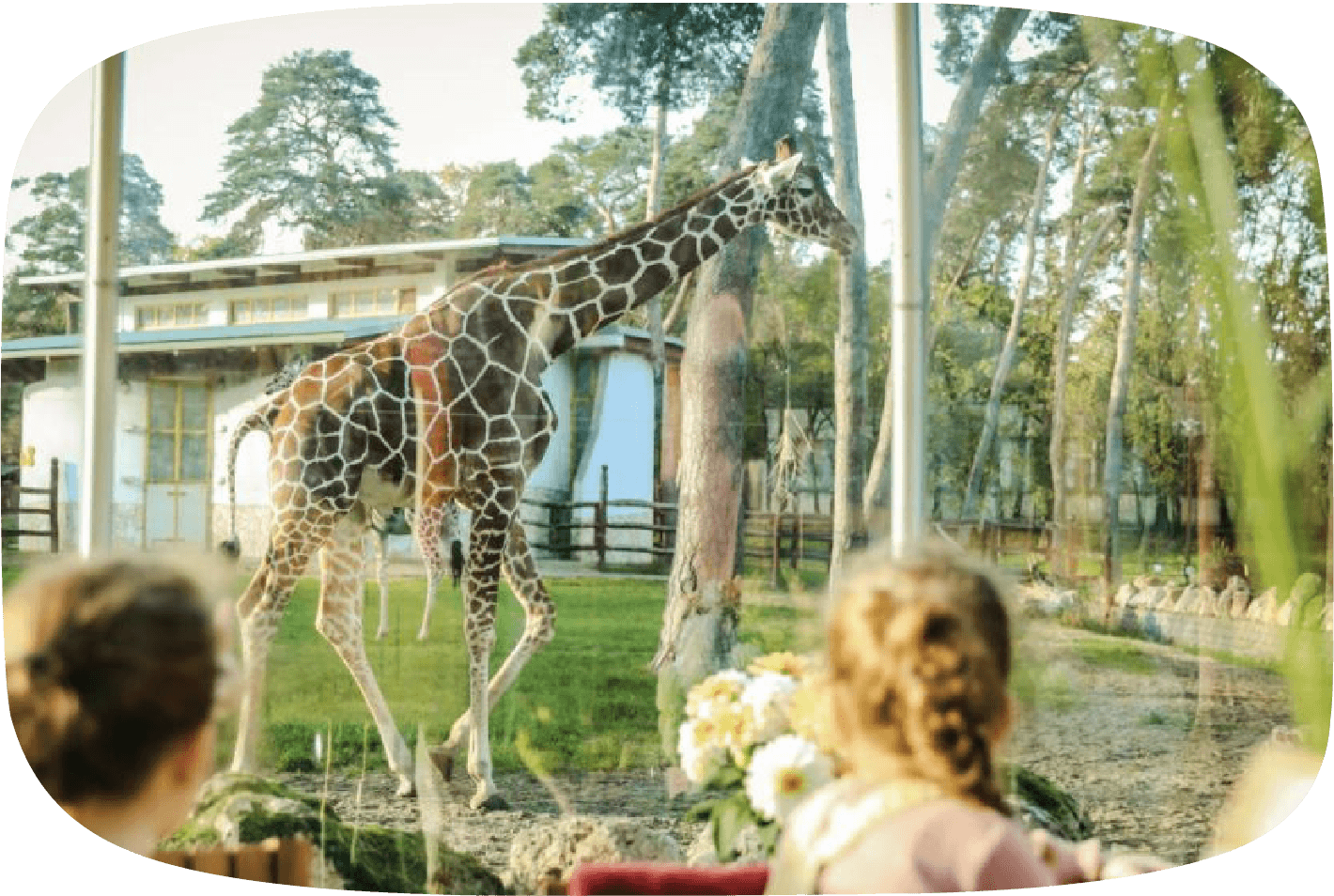
Through Zoo LIFE Pollinators, eight zoos across Europe are working together on an innovative, large-scale initiative that leverages their unique strengths: managing extensive green spaces in urban and peri-urban areas, employing highly qualified staff with expertise in biology and conservation, and engaging a wide audience through educational programs, awareness campaigns, and citizen science projects.
Project numbers

We work together to achieve the established goals
protected hoverfly species

protected species of Lepidoptera
breeding hubs in Europe

hectares involved in Europe
mln

citizens raised awareness
16 partners in 9 European Countries
Zoological facilities, universities and departments across Europe, united for biodiversity

12 beneficiaries
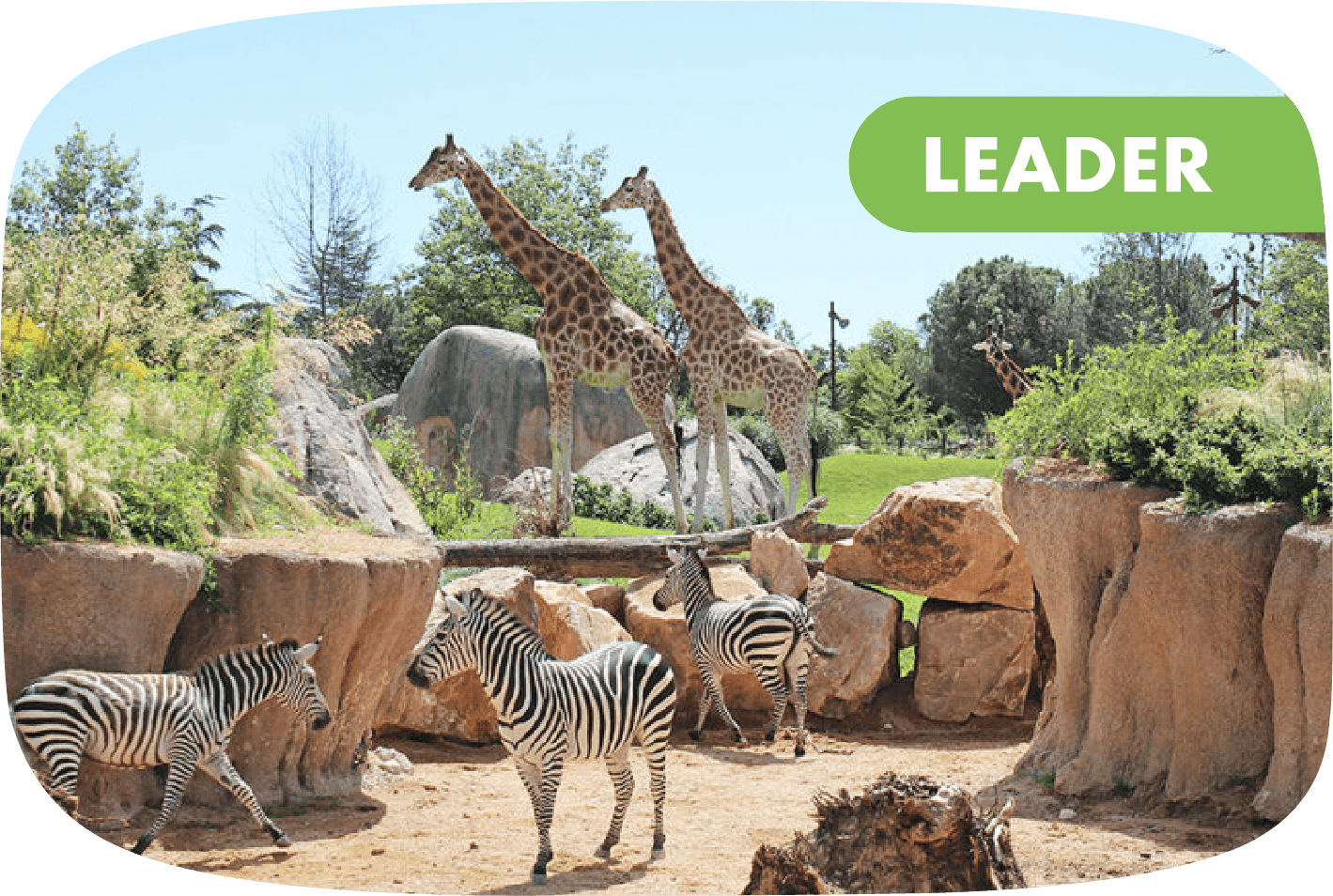
ZOOM Torino
Gestión y coordinación del proyecto / Comunicación y participación de agentes clave
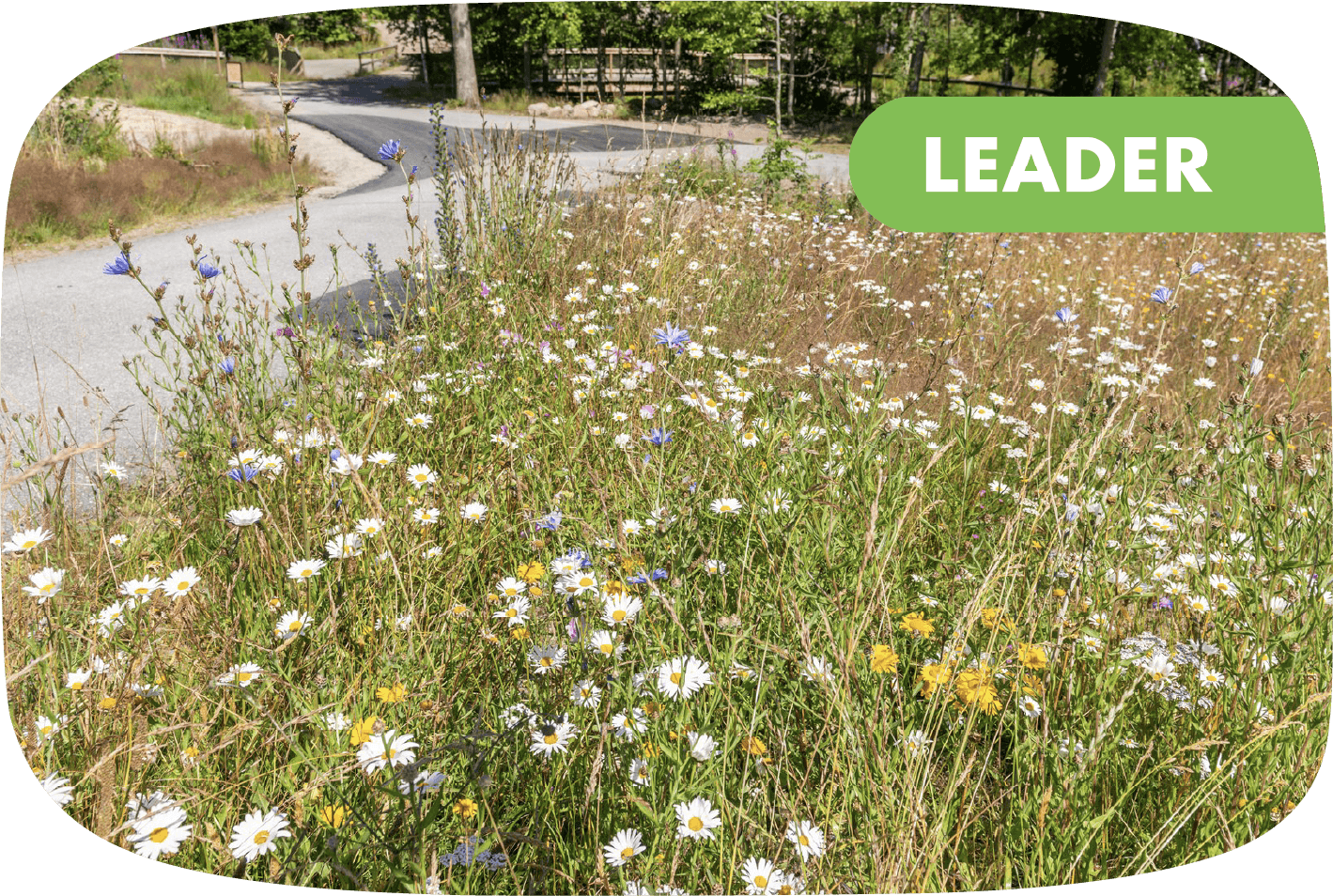
Nordens Ark
Restauración e iniciativas específicas para polinizadores
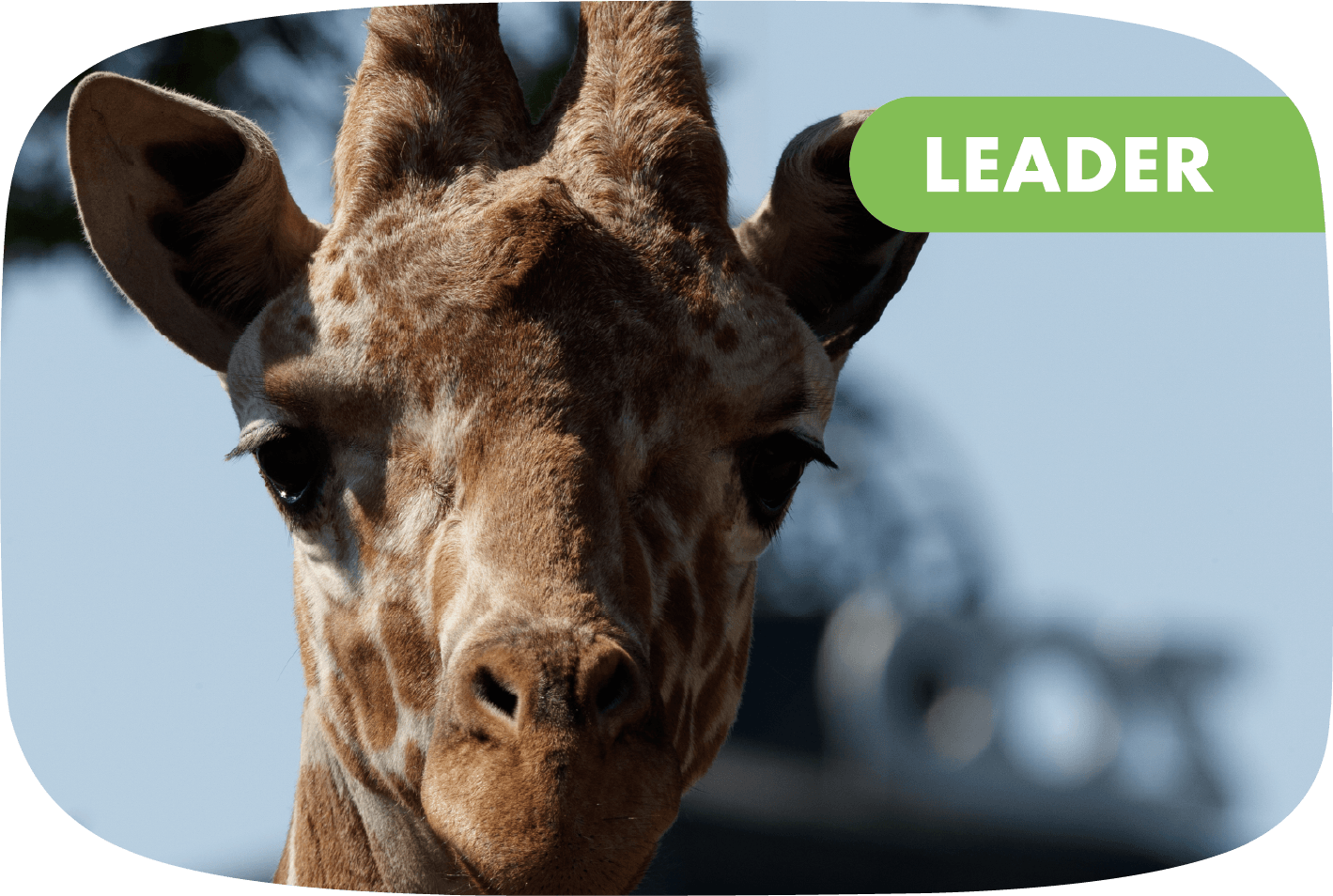
Copenhagen Zoo
Actividades de conservación de polinizadores

Zagreb Zoo
Actividades educativas y de ciencia ciudadana
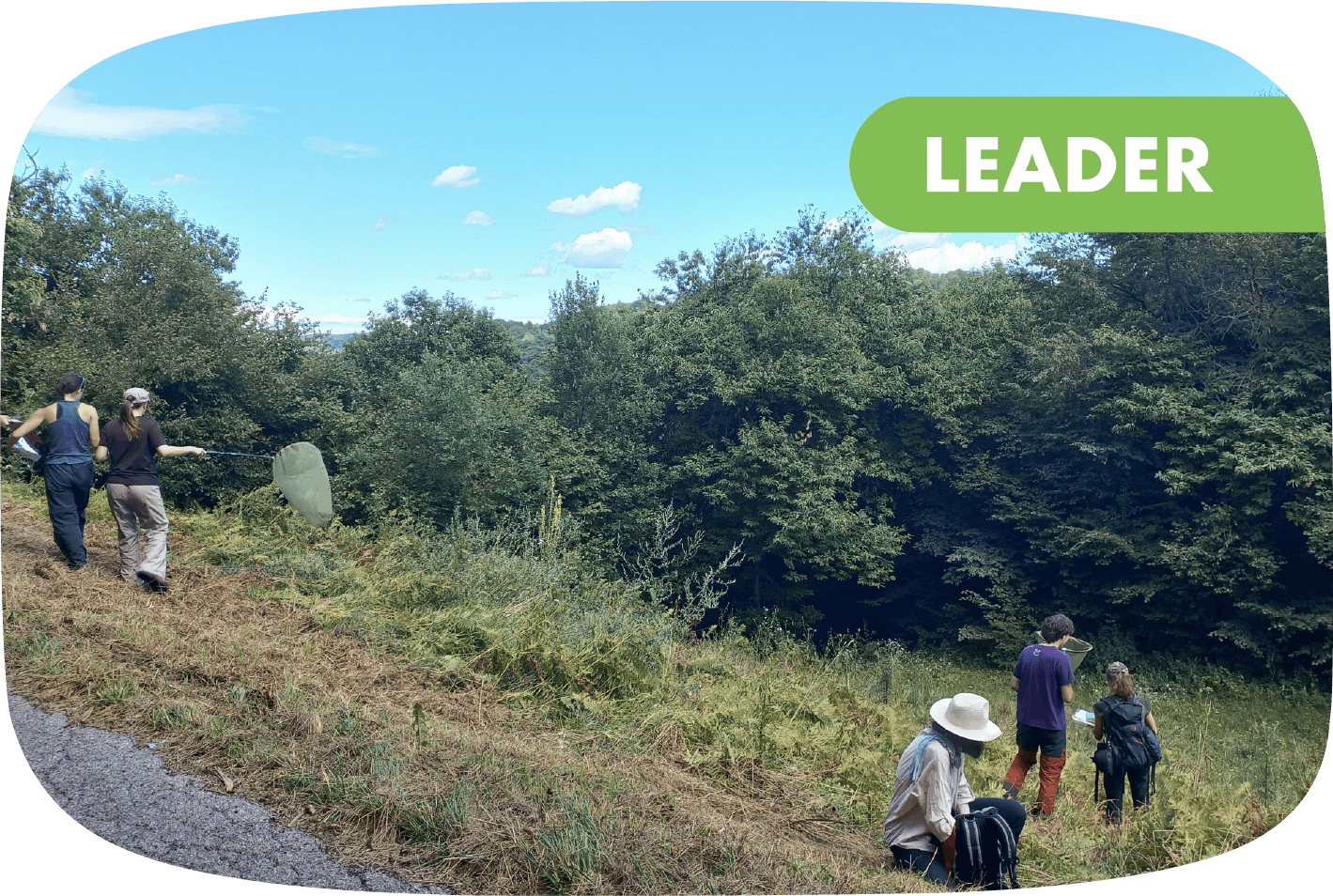
UNITO DBIOS e DISAFA
Sostenibilidad, replicabilidad y explotación de los resultados del proyecto

Smart Revolution
Seguimiento y evaluación
Fondazione ZOOM
Educación ambiental, seguimiento de transecto, participaciónn de agentes clave

Slottsskogens Zoo
Educación ambiental, seguimiento de transecto, participaciónn de agentes clave

Oasis Wildlife
Investigación y cultivo de especies botánicas locales, restauración de hábitats, educación ambiental, seguimiento de transecto
Zoo Debrecen
Restauración de hábitats, educación ambiental, seguimiento de transecto

UNIZG – Agriculture
Socio experto en ecología aplicada y gestión de hábitats, seguimiento de transecto
4 associated partners
Chekipa
Fundacion
Associazione
Lepidotterologica
Italiana
Stichting
Butterfly
Conservation
Europe
The Royal Zoological
Society of Scotland
The Transect Walk
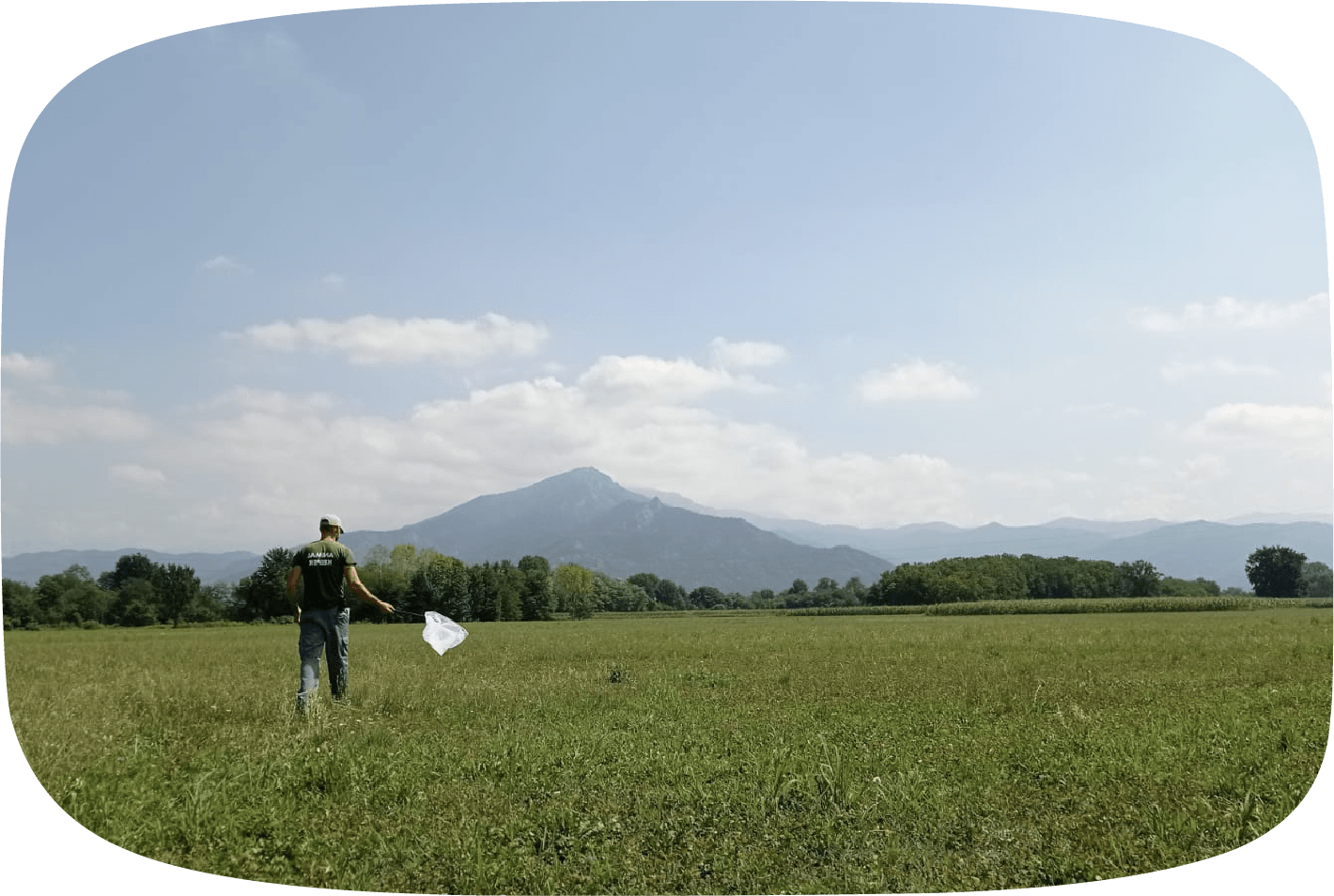
The project uses the Pollard transect methodology, adopted by the European Butterfly Monitoring Scheme (eBMS) for standardized monitoring of butterflies and, more recently, other wild pollinators. This method involves defining a fixed route of 500–1000 meters, which is walked regularly throughout the flight season to record the number and species of individuals observed. Following recommendations from the European Commission, the methodology has been extended to wild Apoidea and hoverflies to harmonize the monitoring of key pollinating insects.
The adoption and harmonization of a common survey method across all partner facilities is supported by Butterfly Conservation Europe, an associated partner that coordinates the eBMS network.
In addition to entomological monitoring, Zoo LIFE Pollinators will carry out phytosociological surveys and count entomogamous floral units at five fixed 4 m² points along each partner’s transect to assess the status and effectiveness of ecological restoration measures.


The wild pollinator insects we protect
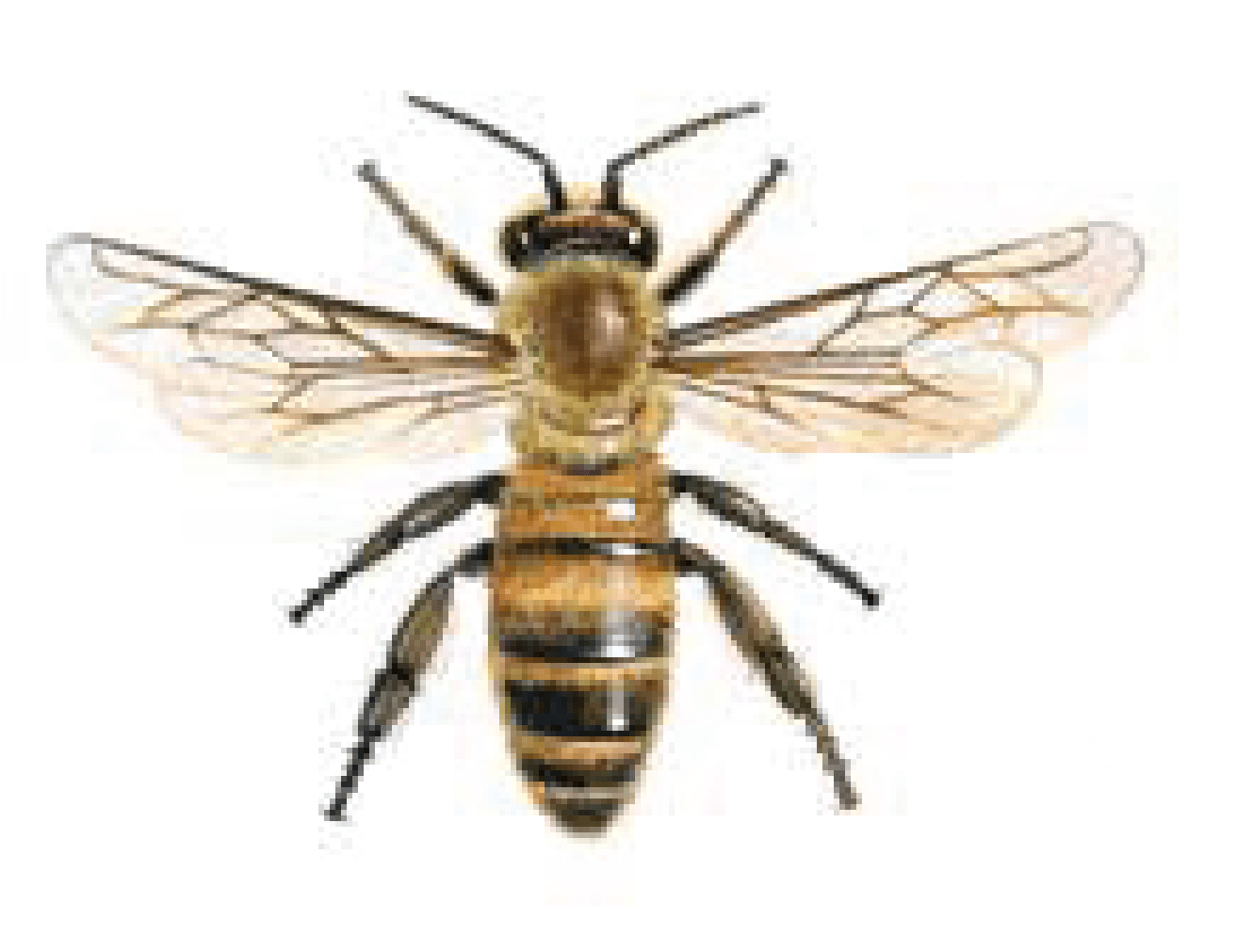
Wild apoidea
Hymenoptera
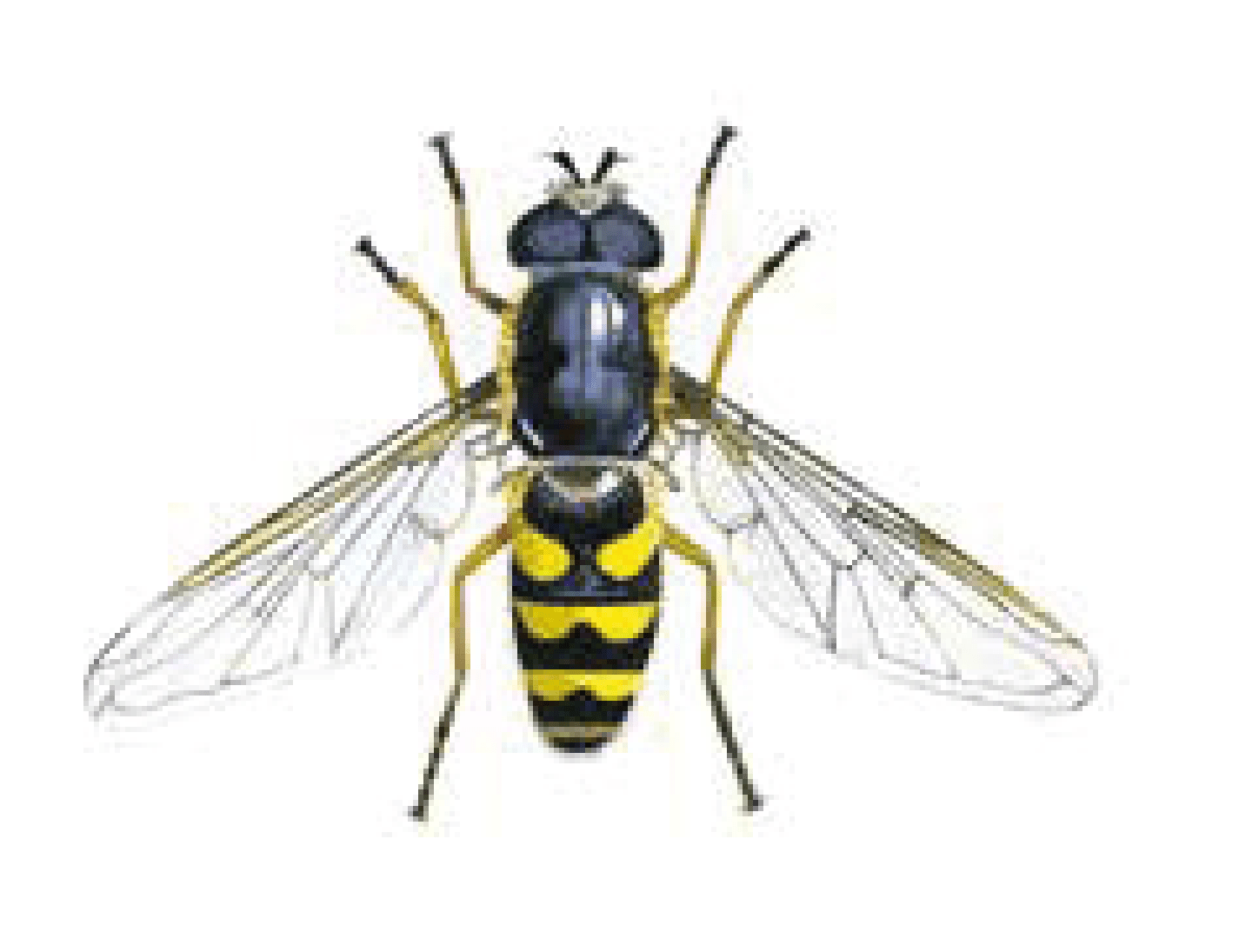
Hoverflies
Diptera
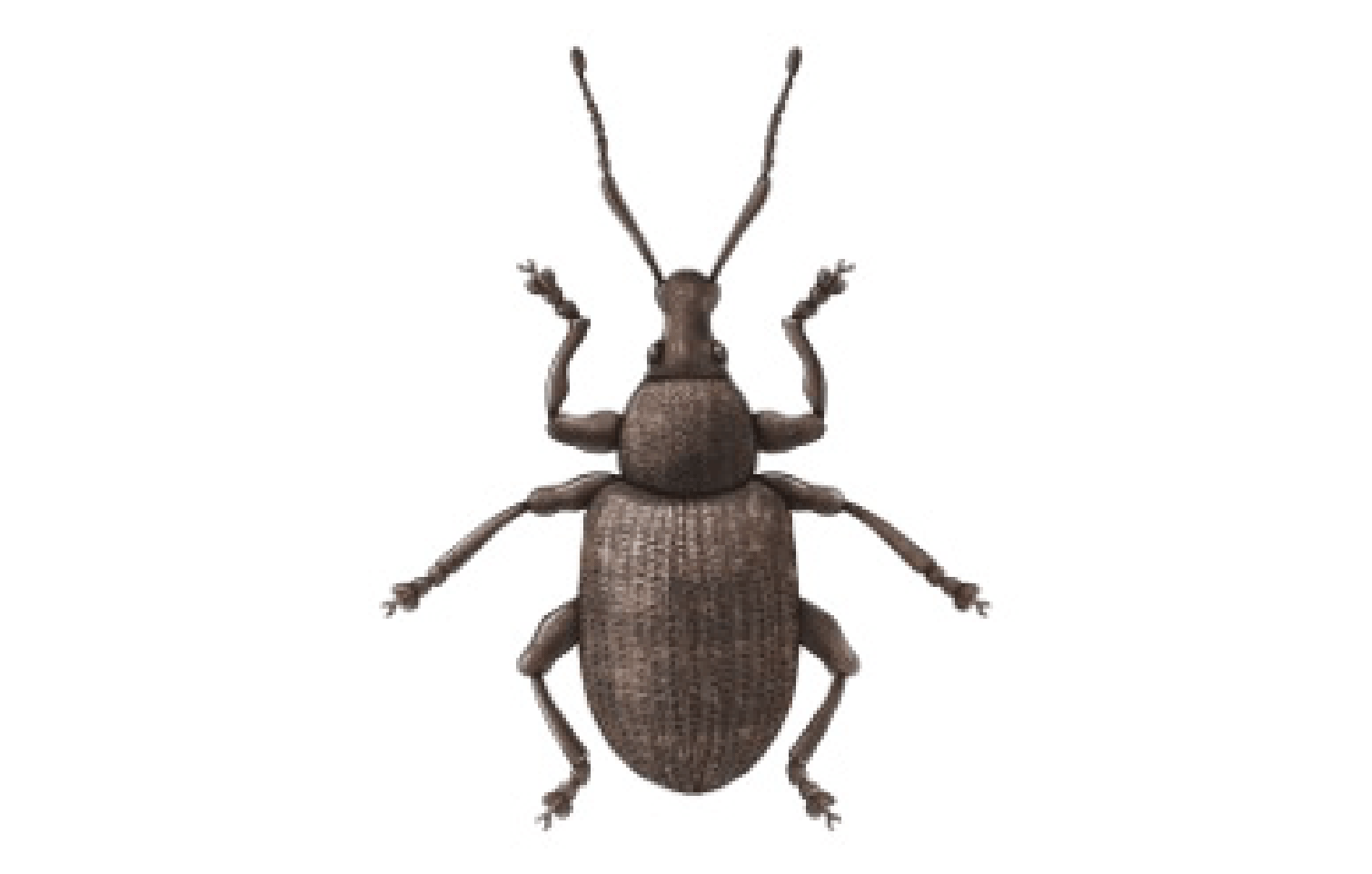
Beetles
Coleoptera
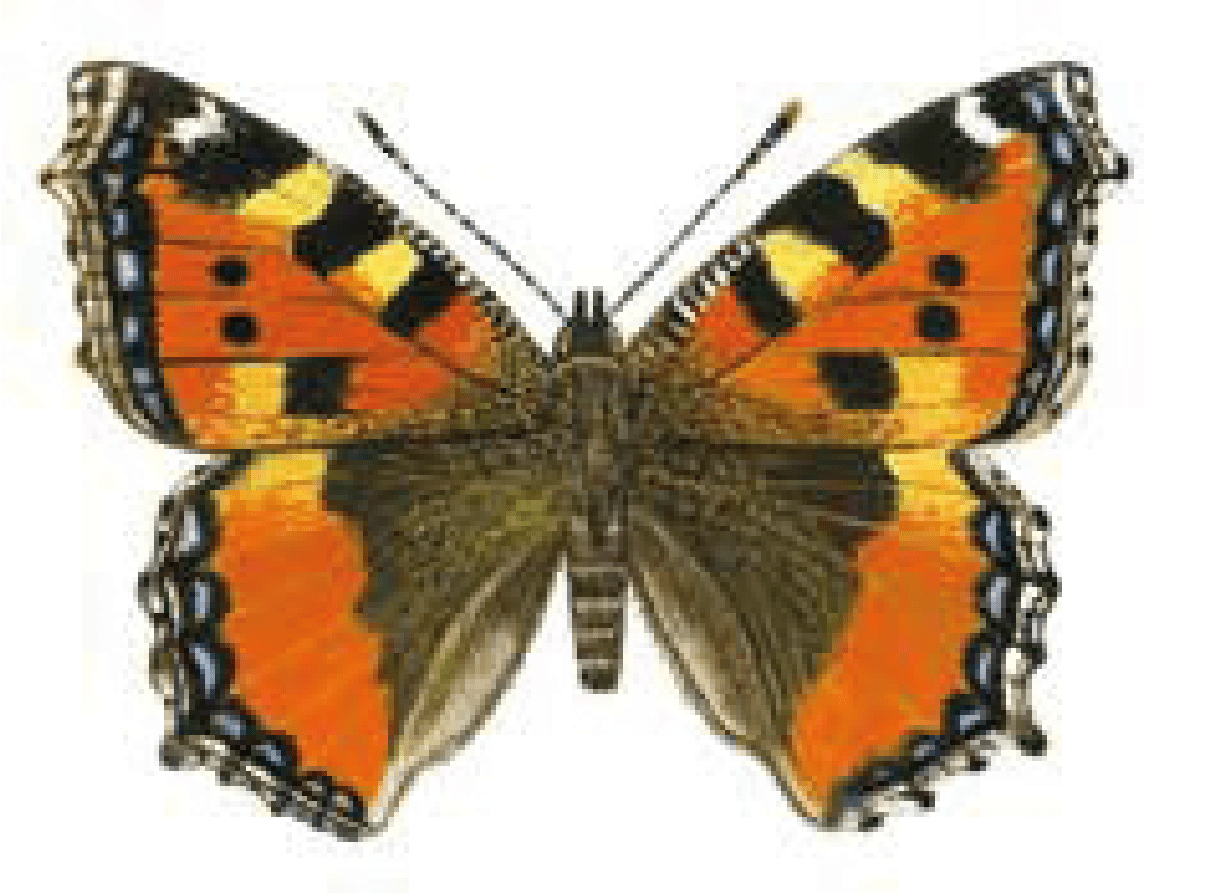
Lepidoptera
Lepidoptera